
2018 is becoming quite promising for augmented reality (AR) and this goes way beyond Pokemon Go. AR is changing the world of consumer marketing. It empowers stakeholders and clients to experience products and services as “prescribed”. It acts as “a sibling” to Virtual Reality platforms aiding physical reality with virtual objects. This way AR is delivering a new, interactive customer experience.
Unlike other hypes we’ve seen rising, this tech is here to stay with figures expected to reach $117.4 billion by 2022.
Despite the fact five years ago we knew little or nothing about this marketing tool AR has been here for a while, we just did not label it properly. Have you ever watched a tennis player challenging an “out” call? Did you notice that line pivot toward the mark and that dark circle that marks the spot? Well, this is just one of many examples of the first uses of augmented reality. Some date back almost 20 years from now – we just haven’t named it properly.
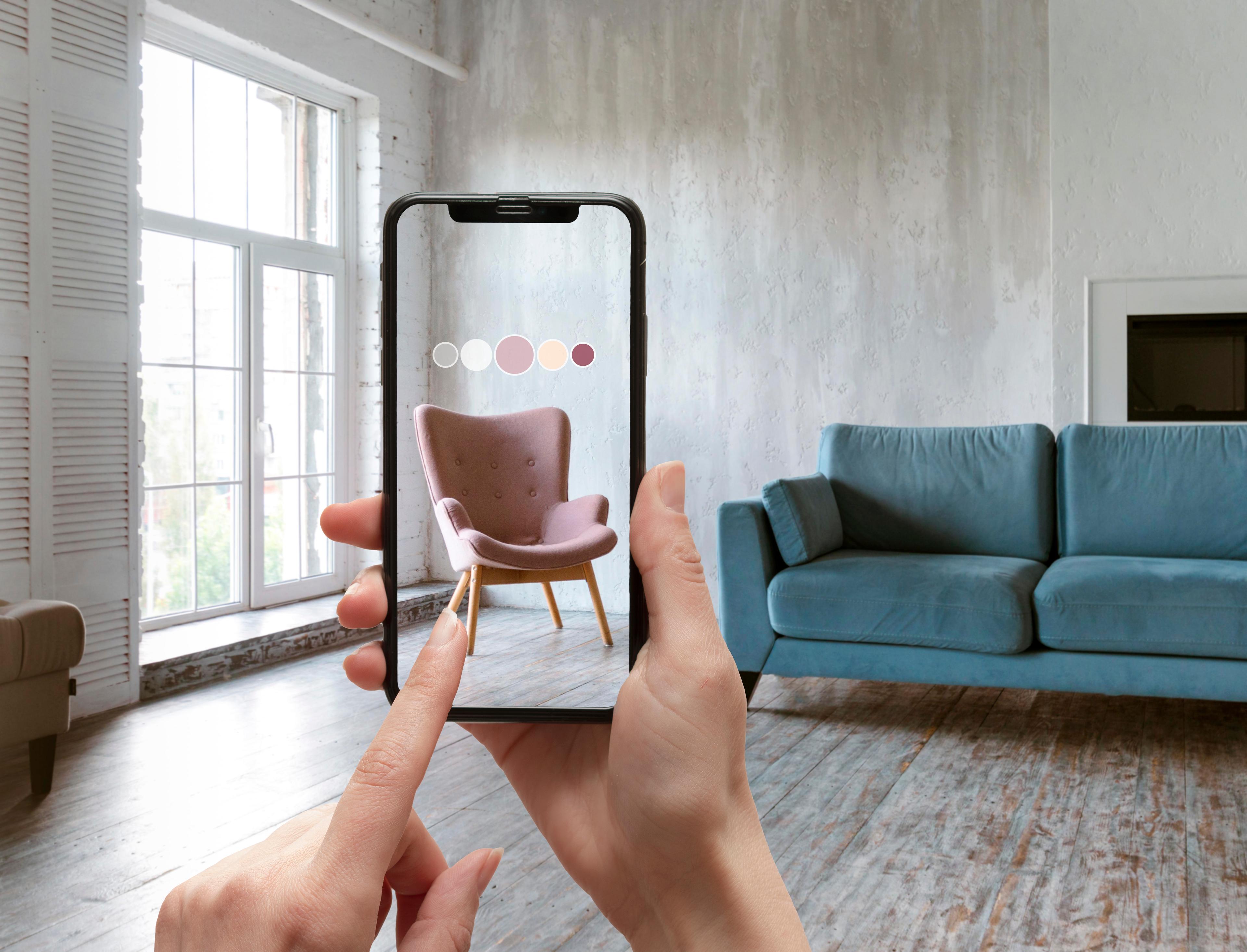
Now AR has become a marketing strategy that businesses need to become educated on and this is what we’re going to look into. To do this, let’s dig a bit deeper into what Augmented Reality is. As stated before AR is the ability to integrate digital data into a real-time experience. Unlike virtual reality use cases (think of immersive games) there are no bulky video headsets to contend with. You just need a mid-range smartphone and you’re good to go. Some of the most relevant examples could be those apps that allow you to see how a sofa might fit your living room. Those that interactively translate foreign languages from banners are quite relevant too.
AR & Consumer Marketing
So how could this be of use for Consumer Marketing?
Imagine you could create an integrated 3-D image of a product and leave it to your customer to experience. Further more, the experience takes place in the customers’ environment, up close and way more personal.
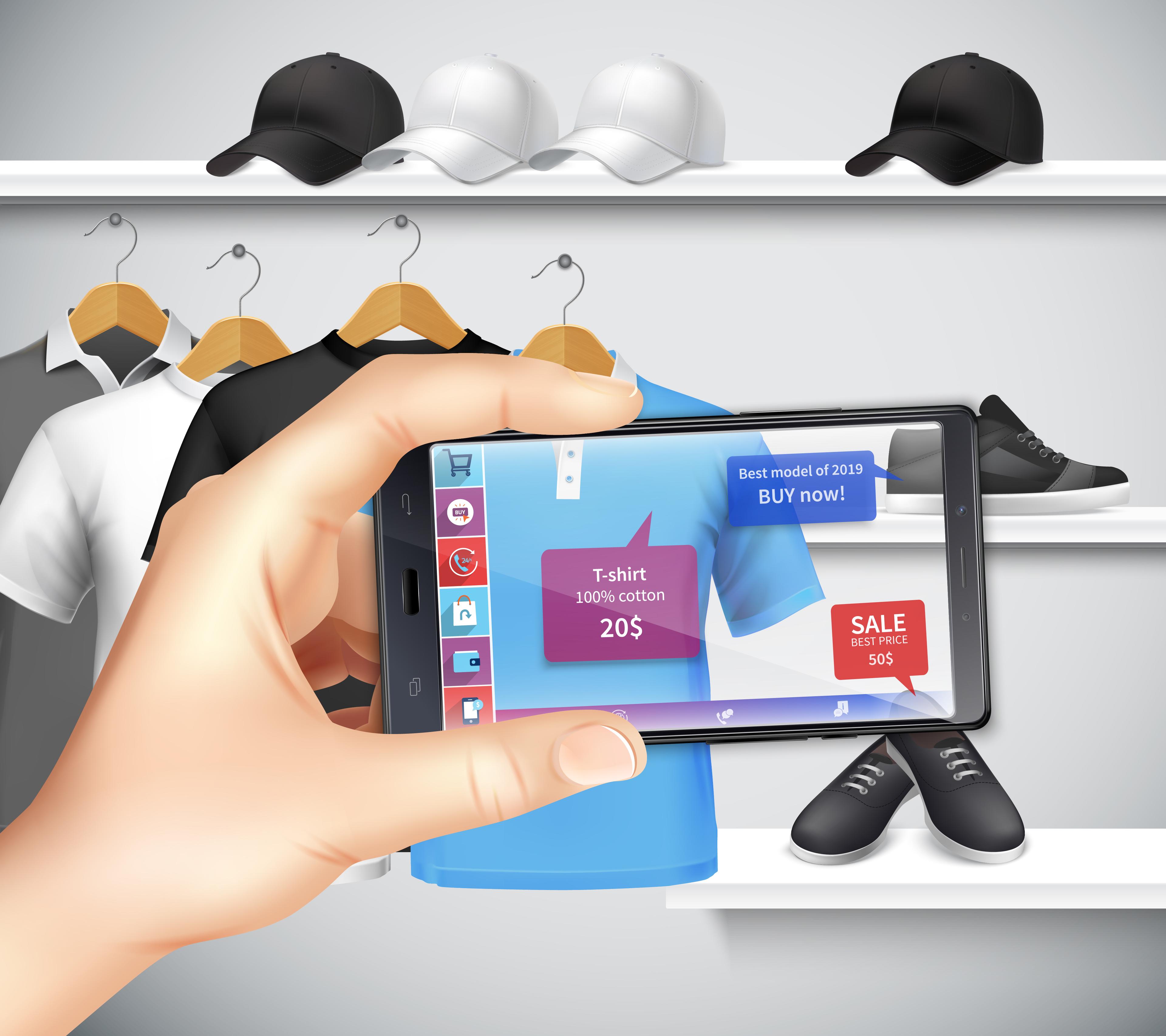
No compare that to an ad online or a catalogue. It’s literally “a no brainer” why this works. The experiences are endless. From fitting rooms to interior design experiences within an actual empty room, or even tryin on clothes – AR is the next big thing.
For Instance, Home Depot enables their consumers to see paint colors before purchasing a bucket-full. With this technology, users can choose a paint color by holding their smartphone up to a wall.
They can see how that color would fit their kitchen, living or bedroom without having to imagine it. They can also see the wall in similar shades for comparison, or try-out a new door on their home.
Use cases
When AR likes to the power of 360 video, new applications emerge.
Hotels use AR in promoting a guest’s true experience at its venue via smartphone applications. Users are able to tour properties and get a 360 view of their potential guest rooms, meeting facilities, restaurants and the pool area.
In fact, they are able to make reservations, leave reviews and more through the app. Smoothly, without any annoyance.
But it’s not only hotels that see the potential...
Retail
Lipton Iced Tea took their consumers inside a tea cup with their Magnificent Matcha Tea campaign. The video gives tea drinkers an animated experience, so each consumer could live the life of a tea bag as it goes through the brewing process.
“The idea was to immerse the viewer in a cup of tea, and energize them with rich imagery and motion graphics that speak to each tea’s origin,” — said Harun Zankel, Creative Director at Carrot Creative, in a press release.
The list could go on, but it’s better seen than read, so here are a few examples of how AR delivered a fresh breath to consumer Marketing, by delivering customers the possibility of saving time on tryouts and make virtual products their own to play with:
Logistics
Mr. Paul Wilkinson, Tesco’s PLC Innovation Ambassador, delivered a glimpse of how they do it with the help of AR:
“ We’re taking a picture of a set of shelves and we’re overlaying it on top of the planogram. This way, we can check if everything’s in the right place or if the right number of products are showing and this is really important for us, because if we don’t have the right number of products showing, we might not sell the product, or the number of products that we were expected to sell, which means we might sell out something or it might not get it replenished fast enough. ”
– this only makes sense because, the more data a retailer knows about what things are/were on the shelf and what things aren't, the better it can make sure that it has everything in stock of what the customer wants.
Tesco is not the only one that uses AR to optimize the supply-chain operations.
Technology has always played an integral part and further improving warehouse operations. With the rise of augmented reality, DHL is about to take a leap ahead with the help of Ricoh.
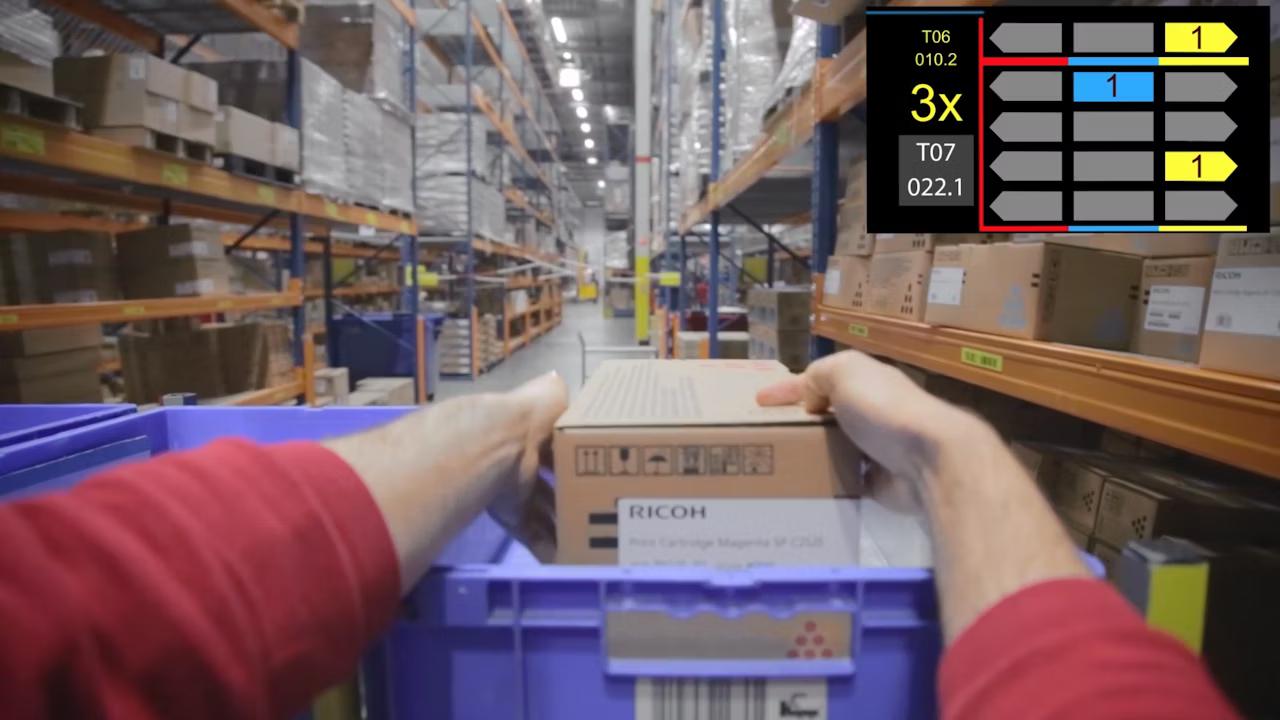
Together, they piloted a concept called “vision picking”. It’s goal: to drive the next wave of supply chain innovation that simplifies operations.
Mr. Jan-Willem the Jong, The Business Unit Director of DHL Supply Chain, Benelux, revealed a bit more about this:
“ Vision picking enables complete hands-free order picking. Today we’re using a mix of hand-held scanners and the paper-pick list but we think we can make this process leaner and also more user friendly by taking a paper and hands-free approach. This can greatly increase productivity, reduce errors and support our employees in our daily work, to find the best solution. ”
Endnotes
These are yet just a couple of examples of how AR aids Consumer Marketing in various industries. The applications are still out there for vendors, retailers or online retailers to try on. While there are countless strategies, implementation is one of the true hassles.
Fortunately, we know what to do and how to do it. From augmented reality to entertainment and classic Digital transformation – we got the answer.
Care to find our more? Let’s build together your next-level AR app.
Share this article on:
More insights

Article
Programming Languages
Technology
8 min read
Explore programming history from the 1950s-60s. Discover FORTRAN, LISP, COBOL, and BASIC—the languages that shaped modern coding. Part II of our series.
01 Feb 2024
News
Technology
In this article, Alex shares his journey through the implementation of a Clean Desk and Clean Screen Policy during his company's ISO 27001 certification process. Initially resistant to the changes, Alex reflects on the impact of the policy on his workflow, physical security habits, and overall job experience. The transition, while initially perceived as a challenge, ultimately led to a cultural shift within the company, emphasizing the importance of information security and organizational efficiency.
21 Jan 2021

Article
Technology
7 min read
From ELIZA to modern AI: explore chatbot evolution in customer service. Learn how 1.4 billion users benefit from automated support and instant query resolution.
22 Nov 2021

Article
Technology
9 min read
Financial technology, or FinTech, is revolutionizing the way we manage, invest, and spend money, making transactions smoother, faster, and more secure. From mobile payments to blockchain technology fintech is bringing financial services into the digital age and making life easier for businesses.
26 Mar 2024

Article
Digital Transformation
Technology
6 min read
EBS Integrator evolved naturally, driven by a deeper impulse to adapt and grow. CEO Vitalie Aremescu founded the company in response to this fundamental sense of evolution. "I realised that I needed to evolve," Aremescu shares in an interview with Wall-Street.ro. Today, that same impulse continues to run a company that not only provides technology expertise, but also teaches others the importance of evolving in an ever-changing environment.
30 Sep 2024